





Want to find more IVF Articles?
All Articles

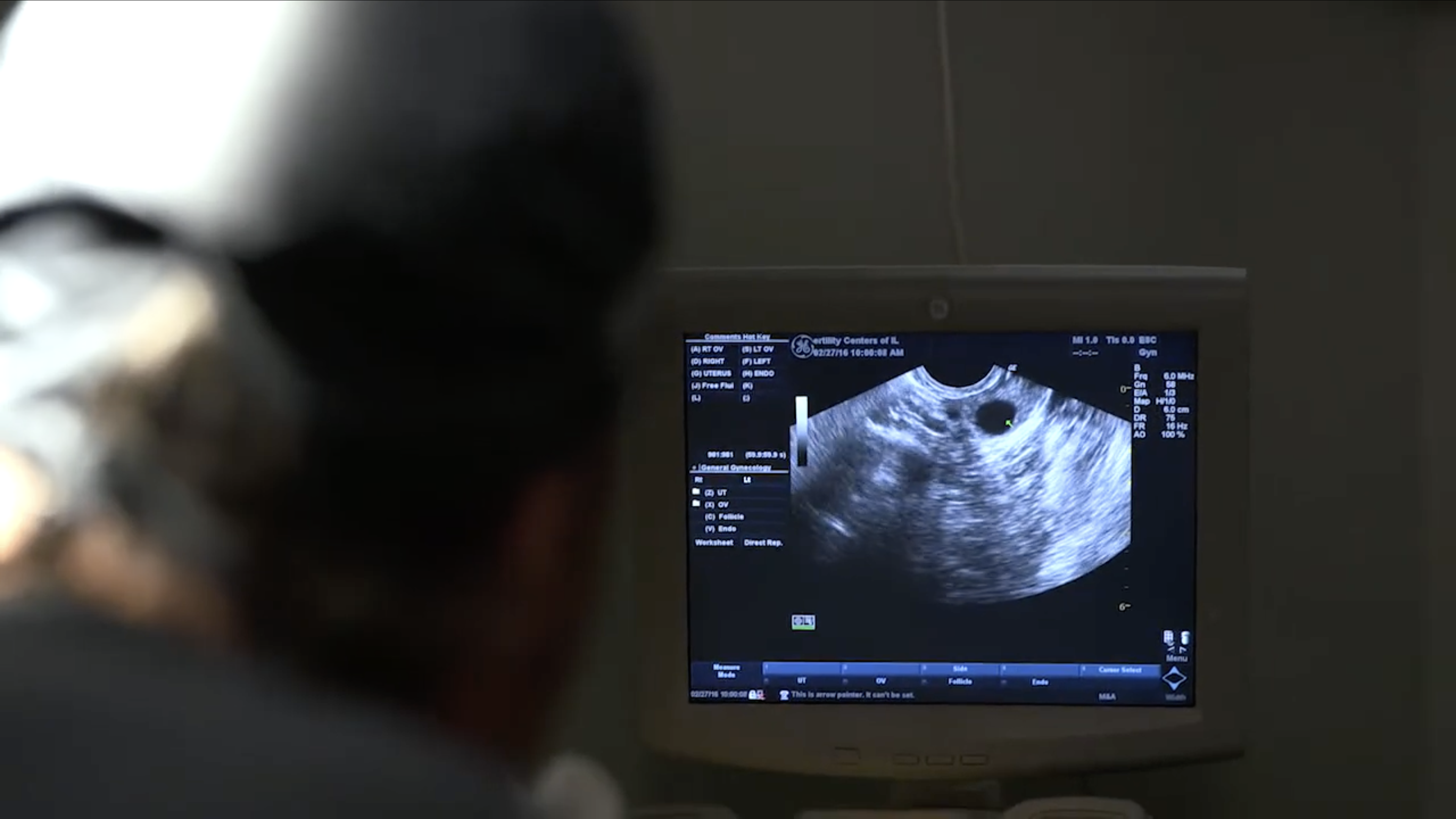
Over the last 35 years, I’ve watched almost every part of fertility treatment evolve.
IVF became more effective.
Medications became more precise.
Protocols became more personalized.
Success rates improved.
The medical side of fertility care requires enormous focus and precision from physicians, nurses, embryologists, and clinic staff. Every cycle involves careful monitoring, highly individualized treatment plans, ongoing lab work, medication adjustments, and important conversations about progress, expectations, and outcomes.
Those clinical conversations — and the medical expertise behind them — remain the foundation of fertility treatment.
One thing I’ve learned over the years is that patients often underestimate how much mental energy fertility treatment requires. They prepare for the appointments, the procedures, and the medications. What often surprises them is how much space the process can occupy between those appointments.

But while so much of fertility care happens inside the clinic, many important parts of the patient experience still happen at home.
Managing fertility medications. Following treatment protocols. Timing injections correctly. These may seem like small tasks individually, but together they can represent a significant responsibility for patients.
For many patients, that responsibility becomes a meaningful source of stress.
Because while fertility treatment — whether IVF, IUI, or egg freezing — is absolutely medical, it is also deeply human, involving uncertainty, waiting, and a significant emotional investment from patients and their families.
And for many patients, managing injections at home becomes part of that larger experience.
Not necessarily because the injections themselves are physically unbearable, but because they require patients to take on additional responsibility.
Reading medication instructions can feel intimidating. Holding a syringe for the first time can feel intimidating. Mixing medications correctly can feel intimidating. Timing injections precisely can feel intimidating — especially when patients understand how important each step can be for the success of the cycle.
Fertility clinics work incredibly hard to prepare patients for the injection process. Physicians, nurses, coordinators, and staff care deeply about their patients and are committed to helping them succeed.
But there has historically been a gap between the care patients receive inside the clinic and the reality of what happens once they walk out the door.
Today, patients have access to forms of support that simply weren’t available when I began practicing.
Patients can now receive experienced, in-home nursing support during some of the most time-sensitive and detail-oriented parts of treatment — whether at home, at work, or while traveling.
That shift matters.
Not because patients are incapable of learning injections on their own. Many absolutely can and do.
Rather, reducing stress, improving confidence, increasing convenience, and helping patients avoid preventable mistakes can meaningfully improve the overall treatment experience.
Medication timing matters. Dosage accuracy matters. Following protocols carefully matters.
Having professional support during those moments can help patients feel more confident while reducing the likelihood of avoidable errors.

As Chief Medical Advisor for The Fertility Concierge, I’ve seen firsthand how extending professional support into the home can meaningfully reduce anxiety for patients while complementing the work fertility clinics are already doing every day.
What interests me most is not the injection itself, but what that support represents: an opportunity to extend professional care into a part of treatment that has traditionally been managed entirely at home.
Sometimes one or two nurse visits are enough to help a patient feel calm and confident moving forward independently. Other patients prefer ongoing support throughout treatment.
In either case, in-person support helps patients feel more confident managing this important part of treatment.
Importantly, this is not about replacing the clinic relationship. It is about strengthening continuity of care during the parts of fertility treatment where patients spend the vast majority of their time: living their daily lives outside the clinic itself.
That, to me, represents a critical evolution in fertility care.
Because after decades in this field, one thing has become very clear:
The success of fertility treatment depends on far more than any one moment or any one part of the process.
It depends on medical expertise, careful monitoring, communication, emotional resilience, patient trust, and strong support systems throughout the journey.
The science of fertility care has advanced tremendously over the last several decades.
I believe the future of fertility care will be defined not only by continued medical innovation, but also by how effectively we support patients throughout the experience itself.
Now the patient experience is beginning to evolve alongside the science.
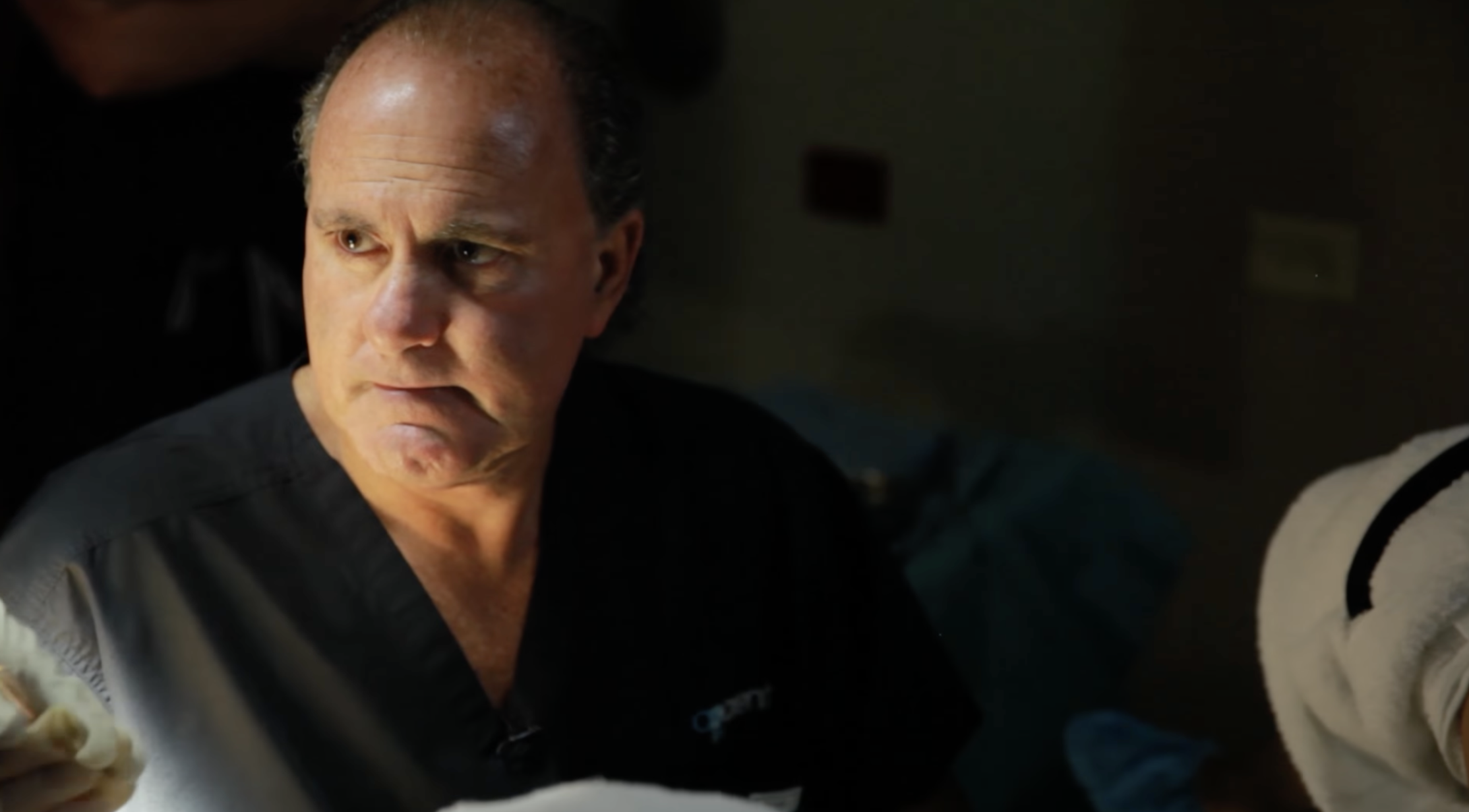
Dr. Brian Kaplan is a board-certified reproductive endocrinologist and infertility specialist who practiced fertility medicine in the Chicago area for more than 35 years. A founder of Donor Egg Bank USA and a recognized leader in reproductive medicine, he has dedicated his career to advancing fertility care while helping thousands of individuals and families navigate their path to parenthood.
Today, Dr. Kaplan serves as Chief Medical Advisor for The Fertility Concierge, where he provides strategic and clinical guidance on patient care standards and best practices. Since 1999, he has been recognized annually as one of America’s Best Doctors, and his expertise has been featured by CBS, Good Morning America, NBC, and The Wall Street Journal.
Real-Life Fertility Guidance—Clear, Practical Articles by Experts and Partners